Autumn Tree Embroidery Design Review
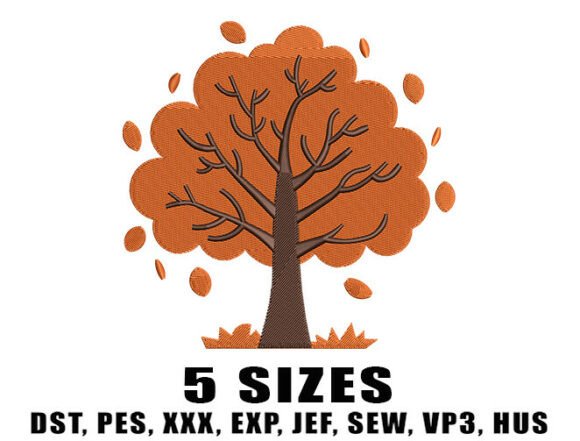
As a designer who has spent years navigating the delicate balance between digital files and physical thread, I approach every new machine embroidery design with a critical eye. The goal is never just to see if it stitches out, but to determine if it elevates the final product. When I first opened the file for the Autumn Tree Embroidery Design, I was looking for that specific seasonal warmth that defines successful holiday merchandise. This cozy fall embroidery features a big autumn tree with falling leaves, a classic motif that can easily become generic if not executed well. However, after reviewing the layout and testing the concept against my standard workflow, this design stands out as a versatile asset for both hobbyists and commercial creators.
First Impressions: Mood and Visual Personality
The immediate appeal of the Autumn Tree Embroidery Design lies in its composition. It captures the essence of the season without feeling cluttered. The silhouette of the tree provides a strong anchor, while the scattered falling leaves add movement and life to the piece. In the world of embroidery project planning, this balance is crucial. Too much detail can lead to registration issues on textured fabrics, while too little can look cheap. This design hits a sweet spot where the fill stitch areas are substantial enough to show off rich thread colors, yet the negative space allows the fabric texture to breathe.
For an Etsy seller or a boutique owner preparing for the Thanksgiving rush, visual personality is everything. Customers aren't just buying a pattern; they are buying a feeling. This design evokes nostalgia and comfort. Whether you are creating a personalized gift for a family member or stocking a shop with seasonal decor, the mood here is inviting. It feels like a design that belongs on a soft flannel shirt or a heavy cotton tote bag, instantly signaling "fall" to anyone who sees it.
Real-World Application: From File to Finished Product
Let's talk about how this translates to actual production. Imagine you are preparing a custom embroidered sweatshirt for a local craft fair. You need something that looks professional from a distance but holds up under close inspection. The Autumn Tree Embroidery Design offers five distinct sizes, ranging from 3.8 inches to 7.8 inches. This scalability is a massive advantage for a craft business.
I envision using the smaller sizes, specifically the 3.8-inch or 4.8-inch versions, for custom apparel accents. Placing this design on the left chest of a crewneck sweatshirt creates a subtle, stylish statement. The density of the leaves suggests it would work beautifully with a high-quality polyester thread, catching the light as the wearer moves. For larger projects, the 6.8-inch or 7.8-inch options open up possibilities for pillow covers, tote bag designs, or even as a central feature on an apron. The scale ensures that the details of the branches remain visible, preventing the "muddy" look that often plagues large, dense designs on home machines.
If you are considering making embroidered patches, this design is particularly promising. The defined edges of the tree and leaves make it ideal for adding a satin stitch border, which adds durability and a polished finish. These patches could be sold individually or used to decorate denim jackets, backpacks, or hats. For a small shop product line, having a cohesive set of patches featuring this digital embroidery file could drive significant engagement during the autumn months.
Navigating Fabric Challenges and Placement
While the design is robust, experienced designers know that no file is foolproof. There are specific scenarios where caution is required. If you plan to use this on stretchy fabrics like jersey knit, you must be meticulous with your stabilizer choice. The weight of the fill stitch in the tree trunk could cause puckering if the backing isn't sufficient. Similarly, on dark fabrics, the contrast of the lighter leaves will pop, but you may need to adjust the underlay settings to ensure coverage without excessive thread consumption.
Curved surfaces present another consideration. While the organic shape of the tree works well on flat surfaces, placing this on a cap requires careful hoop positioning. The falling leaves might get distorted if the cap curve interferes with the needle path. I always recommend testing the design on scrap fabric first, especially when working with textured fabrics like canvas or wool blends. The nap of the fabric can sometimes obscure fine details, so checking the stitch clarity before committing to a premium garment is essential.
Strategic Value for Designers and Makers
From a business perspective, the Autumn Tree Embroidery Design offers excellent value for money. Its versatility allows you to diversify your inventory without purchasing multiple files. You can create a baby embroidery item for infants, a rugged outdoor blanket for adults, or a delicate kitchen towel for home decor enthusiasts. This adaptability increases your potential customer base and maximizes the utility of the embroidery file.
Furthermore, the design supports brand consistency. If you run a handmade shop with a rustic or nature-inspired aesthetic, this motif aligns perfectly. It enhances the perceived quality of your finished product, signaling to buyers that you pay attention to detail. In the competitive landscape of online marketplaces, professional-looking mockups featuring this design can significantly boost click-through rates. Using a printable mockup to showcase the design on various products helps customers visualize the final result, building trust and reducing hesitation.
Practical Designer Notes for Success
To get the most out of this design, I recommend a few practical steps. First, always test the design on scrap fabric that matches your intended material. Check the stitch density to ensure there are no gaps in the fill stitch, particularly in the leaf clusters. Second, review the hoop size requirements carefully. Even though the design comes in five sizes, ensure your machine hoop accommodates the largest version comfortably to avoid tension issues.
Color selection is also key. While the description mentions autumn tones, don't be afraid to experiment. A monochromatic palette can look sophisticated, while a vibrant mix can be playful. Compare light and dark fabric backgrounds to see how the colors interact. Finally, confirm the licensing terms before selling finished items. As a responsible maker, ensuring you have the right to use the design for commercial embroidery protects your business and respects the creator's work.
In conclusion, the Autumn Tree Embroidery Design is a solid addition to any designer's library. It balances aesthetic charm with technical reliability, making it a go-to choice for seasonal projects. Whether you are stitching a one-of-a-kind holiday embroidery gift or scaling up for a small shop product launch, this design delivers the warmth and quality that define the best handmade goods.