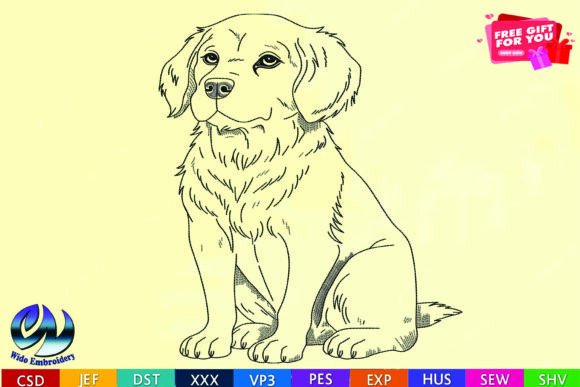
Bear Embroidery Design, 10 Formats Review
As a professional embroidery designer who has spent years translating digital files into tangible brand assets for small businesses, I approach every new machine embroidery design with a critical eye. It is not enough for a file to look good on a screen; it must translate seamlessly onto fabric, withstand the rigors of commercial use, and elevate the perceived value of the finished product. Today, I am reviewing the Bear Embroidery Design, 10 Formats, specifically evaluating its potential for small business merch, branded patches, and custom apparel lines.
First Impressions: Professionalism Meets Playful Charm
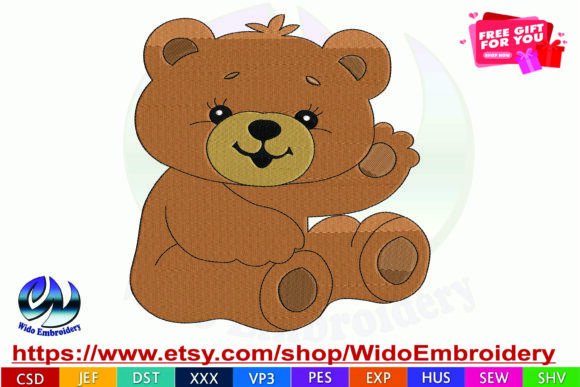
Upon opening the digital embroidery file, the first thing that strikes me is the balance between cuteness and structural integrity. The description highlights an "adorable teddy bear," which immediately signals a connection to the Baby Animals category. However, for a business owner, "adorable" can sometimes mean "frail" in terms of stitch definition. Fortunately, this design avoids the common pitfall of being overly fussy. The lines appear clean, and the shapes are distinct enough to hold their form even when scaled down slightly for specific applications like cap embroidery or sleeve details.
The inclusion of ten different formats—PES, XXX, ART, JEF, DST, EXP, HUS, PEC, and C—is a massive advantage for decorators working across multiple machine brands. Whether you run a Tajima, a Brother, or a Janome, having a versatile embroidery file means less time converting and more time producing. This versatility is crucial for shops that need to fulfill orders quickly without technical bottlenecks.
Strategic Applications for Small Business Merchandise
When integrating a design like Bear Embroidery Design, 10 Formats into a brand strategy, we must look beyond simple decoration. This design offers significant potential for building brand identity through tactile engagement. Imagine a local bakery or a boutique children's clothing line using this motif as a signature mark. Here is how I envision this design performing in real-world commercial scenarios:
- Branded Patches and Labels: One of the most effective uses for this design is creating high-quality embroidered patch products. By stitching the bear onto a sturdy backing, you can create detachable badges for staff uniforms or sew-on labels for tote bags. This adds a premium, handmade feel that printed labels simply cannot replicate.
- Staff Uniforms and Aprons: For a café or florist, apron embroidery featuring this bear could serve as a friendly mascot. Placed on the chest pocket or upper left side, it humanizes the brand. It transforms a standard work shirt into a piece of custom apparel that fosters customer connection.
- Tote Bags and Event Merch: A tote bag design featuring this bear works exceptionally well for event giveaways or as a standalone retail item. The durability of embroidery ensures the logo survives frequent washing, maintaining visual consistency over time.
- Caps and Headwear: While caps require careful sizing, the simplicity of the bear allows it to function as a subtle accent on the front panel or the back strap. This is ideal for creating cohesive sets for team members or loyal customers.
Navigating Technical Challenges and Limitations
While the Bear Embroidery Design, 10 Formats is robust, experienced designers know that no file is universally perfect without adjustments. There are specific scenarios where caution is required to ensure the finished product meets quality standards.
Scale and Detail: If you intend to use this for very small patches, such as those under one inch, you must verify that the facial features remain legible. Tiny lettering or intricate outlines can blur if the stitch density is too high for the size. Always test the design at your intended scale before committing to a bulk run.
Fabric Texture and Color: On highly textured fabrics like heavy canvas or thick fleece, the smooth curves of the bear might get lost. Similarly, using light thread colors on dark uniforms requires precise placement and potentially a two-layer stabilizer to prevent show-through. The contrast between the thread colors and the base material is vital for visibility and professionalism.
Curved Surfaces: When applying this to caps or rounded sleeves, the digitization must account for the curvature. If the original hoop size assumes a flat surface, you may need to adjust the pull compensation to prevent puckering. Always check the file settings against your specific garment geometry.
Impact on Brand Identity and Customer Trust
In the crowded marketplace of Etsy sellers and handmade brands, the quality of your physical goods directly influences customer trust. A poorly executed design with loose threads or misaligned stitches suggests carelessness. Conversely, a crisp, well-stitched bear logo signals attention to detail and quality craftsmanship.
Using Bear Embrody Design, 10 Formats effectively can elevate your product value. Customers perceive embroidered items as more durable and exclusive than screen-printed alternatives. This perception allows small businesses to command higher price points. Furthermore, consistent use of this design across various touchpoints—from design assets in marketing materials to actual commercial embroidery on merchandise—creates a recognizable visual language that strengthens buyer engagement.
Practical Designer Notes for Production Success
Before you hit the "start" button on your production run, follow these essential steps to ensure the best results with this Embroidery file:
- Test in Black and White: Always run a test stitch in a single color first. This allows you to inspect the spacing, jump stitches, and overall flow without the distraction of color changes.
- Verify Hoop Size: Confirm that the design fits within your available hoops. If the file exceeds your hoop capacity, you will need to split the design, which can disrupt the visual continuity.
- Select the Right Stabilizer: Do not skimp on stabilization. For items like custom apparel that will be washed frequently, use a tear-away or cut-away stabilizer appropriate for the fabric weight to prevent distortion.
- Create a Printable Mockup: Before sending samples to clients, generate a high-resolution printable mockup showing the design on the actual product. This manages expectations and secures client approval.
- Check Commercial Licensing: Ensure you have the right to use this digital embroidery file for commercial purposes. Some files are licensed for personal use only, which can lead to legal issues for small businesses.
- Compare Design Assets: Place the bear design next to other elements in your brand kit. Does it clash with your typography? Does it complement your color palette? Visual harmony is key.
Final Verdict for Merch Creators
The Bear Embroidery Design, 10 Formats is a strong contender for any business looking to inject warmth and character into their merchandise. Its multi-format availability makes it a practical tool for decorators, while its charming aesthetic appeals to the target market for baby and kids' accessories. By adhering to proper testing protocols and selecting the right applications, you can transform this machine embroidery design into a cornerstone of your brand's visual identity. Whether used for a simple cap embroidery detail or a full-scale handmade product line, this design has the potential to deliver both professional quality and emotional resonance.