Let’s Get Spooky Cat Embroidery Design Review
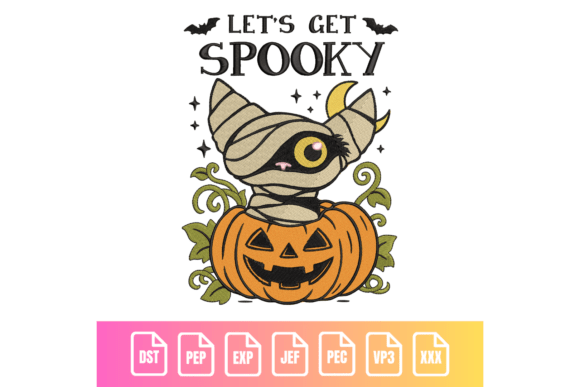
As I set up my table for the upcoming weekend craft fair, I am sorting through a stack of machine embroidery design files to see which ones will translate into bestsellers. The goal is always the same: find designs that catch the eye from three feet away and justify a premium price point as a handmade product. Today, I am putting Let’s Get Spooky Cat Embroidery Design under the microscope. With Halloween just around the corner, the market is flooded with generic ghosts and pumpkins. This specific file promises something different: a cute black cat dressed as a mummy peeking out of a carved jack-o’-lantern. Does this concept hold up in person, or is it just another digital asset that looks better on a screen than on fabric?
First Impressions: Playful Spookiness vs. Overcrowding
The first thing that strikes me about Let’s Get Spooky Cat Embroidery Design is its narrative quality. It isn't just a static image; it tells a tiny story. A black cat wrapped in bandages, emerging from a pumpkin, offers a perfect blend of spooky and adorable. For a craft fair booth, this "cute-spooky" aesthetic is gold. It appeals to parents looking for non-scary treats for kids, couples decorating their home, and anyone who loves the whimsical side of the season.
However, as an experienced designer, my immediate concern is complexity. When you combine a cat, mummy wrappings, and a jack-o'-lantern face, you risk creating a busy visual. In a digital preview, it might look crisp, but in thread, details can get lost. The success of this embroidery file hinges entirely on how well the artist has balanced the stitch density. If the mummy bandages are too thin or the pumpkin features are too small, the design could turn into a muddy mess on textured fabrics. For a craft fair product, clarity is king. Customers need to understand what they are looking at instantly.
Product Applications: Where Does It Shine?
I have been testing how Let’s Get Spooky Cat Embroidery Design performs across various substrates in my studio. Here is where I believe it will generate the most sales:
- Tote Bag Design: This is the strongest contender. A large version centered on a canvas tote bag allows the design to breathe. The contrast of black thread for the cat against a cream or orange background creates a striking visual that stands out on a crowded rack. It transforms a simple utility item into a statement piece.
- Apron Embroidery: Placing this design on the bib of a linen apron adds a festive touch to kitchen decor. Since aprons are often displayed hanging up, the vertical nature of a cat peeking out works well here. It feels like a fun gift for the hostess of a Halloween party.
- Tea Towel Embroidery: Kitchen towels are high-volume sellers. However, the texture of terry cloth can be tricky. I recommend using a lighter version of the design or ensuring the stabilizer is robust enough to prevent puckering. The playful vibe fits perfectly with seasonal kitchen themes.
- Embroidered Patch: If the design includes clean outlines, converting it into a patch is a smart move. Patches are low-cost add-ons that increase the average order value. A customer might buy a hat or jacket and then grab a few patches to customize other items.
- Pillow Covers and Fabric Pouches: These are excellent for showcasing the design as a focal point. On a pillow cover, the cat peeking out creates a sense of depth that flat prints cannot achieve.
Production Realities: Stitch Density and Fabric Texture
Before committing to batch production for the weekend market, I must address the technical challenges. Let’s Get Spooky Cat Embroidery Design features intricate elements like the mummy bandages and the carved eyes of the pumpkin. These areas are prone to becoming dense if not digitized carefully. High stitch density can cause the fabric to pucker, especially on thinner materials like tea towels or cotton caps.
I strongly advise every Etsy seller or boutique maker to test this design on scrap fabric first. Check the thread colors to ensure there is enough contrast between the black cat and the white bandages. If the design is too dark, the mummy effect disappears. Conversely, if the pumpkin is too bright without definition, the cat won't pop. Also, consider the hoop size. If the design requires a 6x10 hoop, it limits your ability to use smaller, more portable machines for quick production runs.
Another critical factor is the fabric texture. On a smooth twill cap, the design will likely look sharp. But on a thick, textured towel, those tiny details of the pumpkin's teeth might blur. In such cases, simplifying the design or opting for a larger scale is necessary to maintain the finished product quality. Never assume a digital embroidery file will perform identically on every surface.
Selling Strategy: Visual Appeal and Booth Display
When setting up my booth, I want products that stop people in their tracks. Let’s Get Spooky Cat Embroidery Design has the potential to do exactly that because of its character-driven appeal. People connect with animals, and a cat in costume is inherently engaging. To maximize this, I plan to create a tiered display.
At the front of the table, I will place finished tote bags and pillow covers where the design is large and visible. Behind them, I will arrange smaller items like pouches and patches. Using a printable mockup to show how the design looks on different colored fabrics can also help customers visualize the product in their own homes. Consistency is key; by using the same design across multiple product types, I build brand recognition. A customer who likes the cat on a towel might immediately notice it on a hat nearby.
This design elevates the perceived value of the items. A plain tote bag sells for $15, but a tote bag featuring a high-quality, detailed commercial embroidery of a spooky cat can easily command $30 or more. The handmade quality signals care and craftsmanship, which is exactly what buyers at local markets are seeking.
Designer Checklist Before Production
If you are planning to use Let’s Get Spooky Cat Embroidery Design for your business, follow these practical steps to ensure success:
- Test Run: Always embroider a sample on the exact fabric you intend to sell. Check for puckering, skipped stitches, or color bleeding.
- Stabilizer Selection: Use a cutaway stabilizer for stretchy fabrics like knits and a tear-away or wash-away for stable wovens. Do not skimp here; it affects the longevity of the product.
- Check Licensing: Verify that your design assets include a commercial license. You need permission to sell finished goods, not just personal projects.
- Thread Contrast: Ensure the black cat stands out against the pumpkin and bandages. Adjust thread shades if necessary during the setup phase.
- Mockups: Create professional photos of the embroidered items. Lighting matters—showcase the texture of the stitches to highlight the handmade quality.
In conclusion, Let’s Get Spooky Cat Embroidery Design is a strong candidate for a successful Halloween collection. It balances the spooky theme with broad appeal, making it versatile for small shop products. While it requires careful attention to stitch density and fabric choice, the payoff in customer engagement and sales potential is significant. By treating this embroidery file with the respect it deserves during production, you can create a standout line of goods that captures the spirit of the season and fills your register.