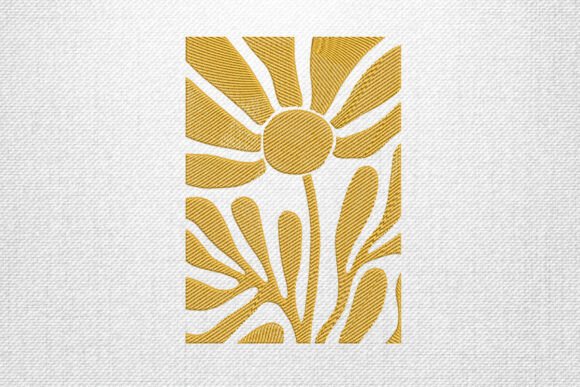
Review: Minimal Yellow Daisy Embroidery Art for Craft Fairs
As an embroidery designer who has spent countless weekends behind a booth table, I know that the difference between a browser and a buyer often comes down to visual clarity. When I first loaded the Minimal Yellow Daisy Embroidery Art into my digitizing software, my immediate reaction was one of relief. In a market saturated with overly complex floral arrangements, this design offers a breath of fresh air. It feels modern, clean, and undeniably cheerful. For those of us selling handmade products, finding a design that balances aesthetic appeal with production efficiency is the holy grail.
First Impressions and Market Fit
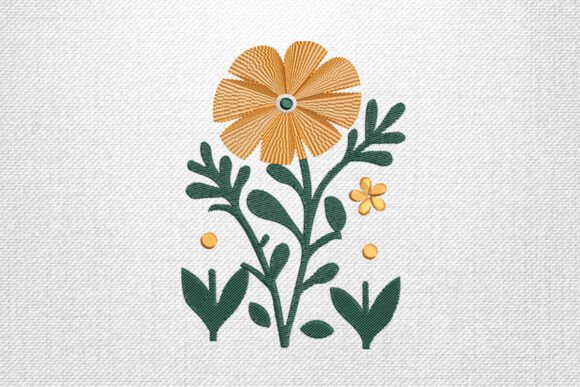
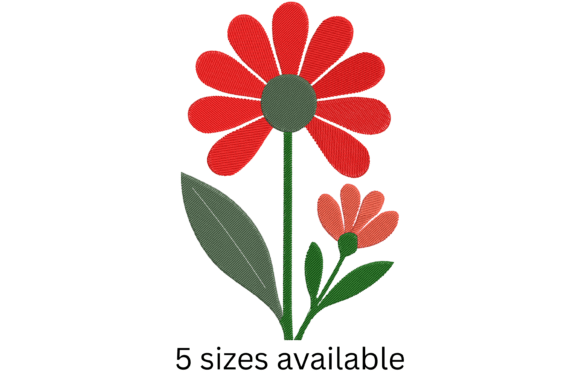
The title says it all: minimal. This is not a rustic, farmhouse-style daisy with intricate petals and heavy shading. Instead, it features bold, modern floral shapes in a clean silhouette style. This specific aesthetic is crucial for today’s Etsy seller or boutique maker. Customers are increasingly drawn to items that feel contemporary and versatile. The yellow hue is vibrant without being neon, making it pop against neutral backgrounds like cream, white, or denim.
When evaluating this as a craft fair product, I look for instant recognizability. A customer walking past my table should understand what they are looking at within three seconds. This design passes that test effortlessly. It reads clearly from a distance, which is vital for booth displays where items are stacked or hung. It fits perfectly within the Single Flowers category, allowing it to stand alone as a statement piece rather than getting lost in a busy pattern.
Versatility Across Product Lines
The true value of a digital embroidery file lies in its adaptability. I tested this design across several common small shop product categories to see where it shines brightest.
- Tote Bags: This is arguably the best home for this design. A large hoop placement on a canvas tote allows the bold silhouette to breathe. It transforms a basic bag into a stylish accessory that appeals to students, teachers, and eco-conscious shoppers.
- Aprons and Tea Towels: For kitchen textiles, the minimal style prevents the item from looking cluttered. On a tea towel embroidery project, placing the daisy in the corner creates a sophisticated, high-end look that justifies a higher price point.
- Caps and Hats: Here, caution is required. Curved surfaces can distort designs. However, because this is a silhouette style with fewer intricate fill stitches, it holds up better than detailed florals. It works well as a small accent on the side or front panel.
- Embroidered Patches: The clean lines make it ideal for iron-on patches. You can create batches of these as low-cost add-ons at your booth, increasing average order value.
Production Practicality for Batch Selling
For any commercial embroidery venture, time is money. One of the strongest selling points of the Minimal Yellow Daisy Embroidery Art is its likely efficiency. While I always advise checking the specific stitch count and file details before production, silhouette-style designs generally have lower stitch density compared to photorealistic flowers. This means faster run times and less thread consumption.
Faster production cycles allow you to restock quickly after a successful fair. It also reduces the risk of thread breaks, which can ruin a finished product right before a sale. When preparing for a weekend market, I prioritize designs that I can hoop, stitch, and trim with minimal fuss. This design appears to fit that workflow seamlessly.
Technical Considerations and Careful Use
Even with a simple design, technical pitfalls exist. As a professional, I recommend paying attention to the following areas when using this machine embroidery design:
- Fabric Texture: On textured towels or thick denim, ensure your stabilizer is robust. A cut-away stabilizer is often safer for washable items like tote bags to prevent puckering over time.
- Thread Contrast: Since the design relies on shape rather than shading, thread choice is critical. Use a matte cotton thread for a traditional handmade look, or a slight sheen rayon for a more vibrant, modern pop. Avoid threads that blend too much with the fabric unless you are going for a subtle, tonal effect.
- Size Clarity: Do not shrink this design too small. Bold shapes need space. If you reduce it below a certain threshold, the "minimal" aspect might turn into "indistinct blob." Always stitch out a test sample on scrap fabric at your intended size.
- Dark Fabrics: Yellow thread on dark navy or black fabric can sometimes look dull if the underlying fabric shows through. Consider using a white underlay or a lighter base thread to boost the brightness of the yellow.
Enhancing Visual Appeal and Brand Consistency
Using a consistent design language helps build brand recognition. If your shop specializes in modern, cheerful goods, the Minimal Yellow Daisy Embroidery Art becomes a signature element. Imagine a booth display where every item, from pillow covers to jackets, features this same daisy in varying sizes. This repetition creates a cohesive visual story that draws customers in.
Furthermore, this design photographs beautifully for online listings. The clean lines translate well to digital images, making it easier to create attractive printable mockup assets for your website. High-quality photos are essential for driving traffic to your Etsy shop or independent site. The simplicity of the design ensures it doesn't look messy or amateurish in thumbnail views.
Final Designer Notes
Before you list this as a craft fair product or add it to your digital inventory, take these final steps:
- Check Licensing: Confirm the commercial licensing terms included with the design assets. Ensure you are allowed to sell physical finished products made with this file.
- Test Hoop Size: Verify which hoop sizes are supported. While it may work in a 4x4 inch hoop for patches, you might want a 5x7 or larger for tote bags to maximize impact.
- Create Real Mockups: Don’t rely solely on digital previews. Stitch the design on the actual fabrics you plan to sell. Compare how it looks on linen versus cotton canvas.
- Evaluate Thread Colors: Experiment with different shades of yellow. A mustard tone might appeal to a fall market, while a bright lemon yellow suits spring and summer fairs.
In conclusion, the Minimal Yellow Daisy Embroidery Art is a strong contender for any embroidery business owner looking to expand their Single Flowers collection. It balances aesthetic trends with production practicality, offering a versatile solution for tote bags, aprons, and gifts. By respecting the technical requirements of embroidery and leveraging the design's clean modern appeal, you can create products that not only sell but also enhance your brand's reputation for quality and style.