Review: Triple Flower Machine Embroidery Design
As a designer who spends more time staring at stitch previews than actual fabric, I have developed a keen eye for what works in the hoop and what ends up as a tangled mess of thread. When I first loaded the Triple Flower Machine Embroidery Design into my software, I was looking for more than just cute aesthetics. I needed to know if this design could hold its own in a real-world production environment. Whether you are an Etsy seller scaling up your inventory or a hobbyist making personalized gifts, the difference between a professional finish and a amateurish look often comes down to the design’s inherent structure.
First Impressions and Visual Personality
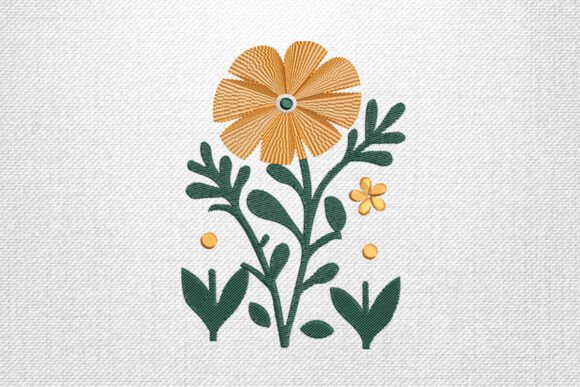
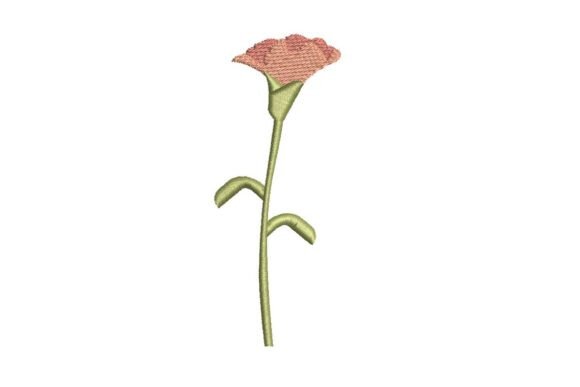
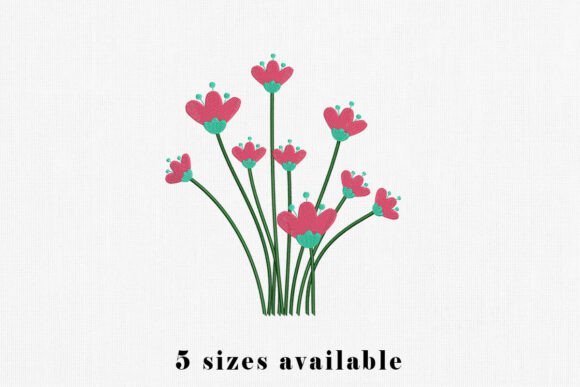
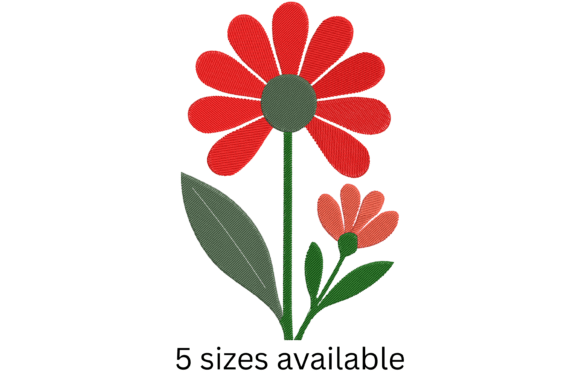
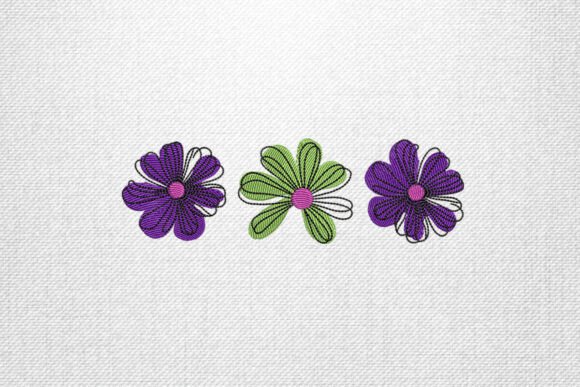
The immediate appeal of this design lies in its playful composition. Featuring three distinct blooms in purple, green, and pink tones, it avoids the stiffness that plagues many floral patterns. The layout feels organic, suggesting movement rather than static placement. For those of us working within the Single Flowers category, finding a design that balances multiple elements without becoming cluttered is a challenge. This piece manages to group the flowers in a way that feels cohesive, making it an excellent candidate for projects where you want a focal point that draws the eye without overwhelming the garment.
The color palette is vibrant yet versatile. While the default preview shows bright hues, the true test of any embroidery file is how it translates when you swap out thread colors. I found that the shapes hold their integrity well even when simplified, which is crucial for maintaining visual clarity on textured fabrics.
Real-World Application: The Tote Bag Test
To evaluate the practical utility of the Triple Flower Machine Embroidery Design, I imagined a common scenario for small business owners: a custom order for a set of canvas tote bags. Canvas is a forgiving fabric, but it has a coarse texture that can swallow fine details. In this context, the design’s bold outlines and substantial fill areas work in its favor. The stitches bridge the gaps in the weave, creating a solid, impactful image that reads clearly from a distance.
Beyond totes, this design shines on custom apparel. Picture it stitched onto the chest of a oversized sweatshirt or the hem of a denim jacket. The playful nature of the blooms adds a touch of whimsy that appeals to a broad demographic, from teenagers to adults looking for unique, handmade touches. It is not overly childish, nor is it too formal, striking a balance that makes it suitable for a wide range of handmade products.
Stitching Performance and Technical Considerations
From a technical standpoint, the interplay of stitch types is critical. While I do not have the exact stitch count or density metrics for this specific file, experienced embroiderers know to look for signs of potential puckering. The design appears to use a combination of satin stitch for outlines and fill stitch for the petals. This combination generally provides good coverage, but it requires attention to stabilizer choice.
For stretchy fabrics like t-shirts or baby clothes, a cut-away stabilizer is non-negotiable to prevent distortion. On woven fabrics like aprons or table runners, a tear-away might suffice, but testing is always recommended. The stitch density seems moderate, which is a positive sign. Overly dense designs can cause fabric to pucker or threads to break, while sparse designs may show the background fabric through the stitching. This design appears to hit a sweet spot, offering solid coverage without excessive bulk.
Fabric and Hoop Constraints
One must be cautious when applying this design to curved surfaces, such as caps. The width of the triple-flower arrangement might exceed the comfortable stitching area of standard cap frames, leading to distortion or needle strikes. Similarly, on very thin or slippery fabrics like silk scarves, the weight of the embroidery could cause dragging. In these cases, using a water-soluble topping can help keep the stitches on top of the fabric texture.
Always verify the hoop size requirements before purchasing. If the design is large, ensure your machine can accommodate it. For smaller hoops, you may need to check if the design is available in scaled-down versions that retain detail without becoming indistinct blobs of thread.
Commercial Viability and Brand Consistency
For Etsy sellers and craft business owners, consistency is key to building brand trust. The Triple Flower Machine Embroidery Design offers a recognizable motif that can become part of your signature style. Using consistent design elements across different products—such as matching embroidered patches on jeans with designs on pillow covers—creates a cohesive brand identity.
When creating printable mockups or digital previews for your shop, this design photographs well. The contrast between the purple, green, and pink tones stands out against both light and dark backgrounds, making it easier to create appealing marketing assets. However, always test the design in black and white to ensure the shapes remain distinct without relying on color contrast alone. This is particularly important for customers who may view your products on screens with varying color calibration.
Practical Designer Notes
Before committing to a full production run, follow these steps to ensure quality:
- Test on scrap fabric: Always stitch a sample on the same material and layering you plan to use for the final product. This reveals issues with tension, density, or stabilizer compatibility.
- Check thread contrast: Ensure your chosen thread colors stand out against the fabric. Dark threads on dark fabric may lose detail, while light threads on white fabric may appear washed out.
- Inspect small details: Zoom in on the digital preview to check for tiny, isolated stitches that may not sew out cleanly. Trim jump stitches carefully after embroidery to maintain a polished look.
- Confirm licensing: If you plan to sell finished items or use the design in commercial projects, verify the license terms provided with the digital embroidery file. Some designers allow unlimited sales, while others have restrictions.
- Evaluate washability: For items like baby clothes or kitchen towels that undergo frequent washing, ensure the stitching is secure and the fabric can handle the stress of the embroidery without fraying.
Final Verdict
The Triple Flower Machine Embroidery Design is a versatile asset for any embroiderer’s library. It balances aesthetic charm with practical usability, making it suitable for a variety of embroidery projects from holiday gifts to everyday apparel. While it requires standard care regarding stabilizer selection and fabric choice, its robust structure ensures a professional finish when handled correctly. For designers looking to add a touch of playful elegance to their small shop product lineup, this design is a reliable and attractive choice.