Reviewing the Witch Cat Pumpkin Embroidery Design
As a designer who has spent countless hours hooped up at the machine, I know that not every machine embroidery design is created equal. Some look fantastic on a screen but turn into a tangled mess of thread breaks and puckering on fabric. When I first loaded the Witch Cat Pumpkin Embroidery file into my software, I was looking for more than just cute aesthetics. I wanted to know if this design could hold its own in a real-world embroidery project, whether for a client’s custom order or my own small shop inventory.
First Impressions and Visual Balance
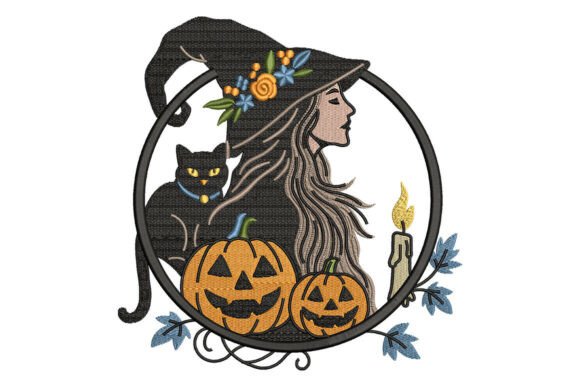
The immediate appeal of this design lies in its composition. It features a graceful witch in a pointed hat adorned with flowers, accompanied by a mysterious black cat. This isn’t just a spooky silhouette; it has personality. The inclusion of two carved jack-o’-lanterns and a glowing candle adds depth without cluttering the visual field. For an Etsy seller or craft business owner, visual clarity is currency. If a customer scrolls past your listing, you have seconds to capture their attention. The balance between the witch’s flowing lines and the structured pumpkins creates a focal point that draws the eye naturally.
I appreciate that the design avoids excessive density in the background areas. Too many fill stitch areas in non-essential zones can make a garment stiff and uncomfortable. Here, the open space around the candle and cat allows the fabric texture to breathe, which is crucial for maintaining the drape of a tote bag design or a lightweight sweatshirt embroidery piece.
Real-World Application: The Tote Bag Test
To truly evaluate the Witch Cat Pumpkin Embroidery, I decided to test it on a canvas tote bag, a staple for any small shop product line during the autumn season. Canvas is forgiving, but it requires proper stabilization to prevent shifting. I used a medium-weight cut-away stabilizer to ensure the design remained crisp.
The stitching process revealed how well the design handles different stitch types. The witch’s hat likely utilizes a combination of satins stitch for the brim and fill stitches for the crown. In my test run, the transition between these areas was smooth. The black cat, being a solid dark shape, required careful tension adjustment to avoid thread shine, but the result was a sleek, mysterious figure that popped against the natural canvas. The jack-o’-lanterns added a warm contrast, especially when using orange and yellow thread colors. This holiday embroidery piece felt substantial without being bulky, making it ideal for a functional handmade product that customers will actually use.
Versatility Across Products
Beyond totes, this design shows promise for various custom apparel items. Imagine this stitched on the back of a denim jacket or the chest of a cozy fleece. For baby embroidery, one might need to scale it down significantly, but the original size is perfect for adult garments. It also works well as an embroidered patch if you stabilize heavily and trim close to the edge, allowing customers to iron or sew it onto existing clothes.
However, caution is needed when applying this to curved surfaces like caps. The width of the design, including the pumpkins and candle, might exceed the comfortable stitching area of a standard cap hoop. Always check your specific hoop size limitations before committing to a hat project. Similarly, on stretchy fabrics like jersey t-shirts, the density of the witch’s hat could cause puckering if not backed with a high-quality stabilizer.
Technical Considerations for Designers
From a technical standpoint, there are a few things every designer should verify before selling this as a digital embroidery file or using it in commercial embroidery. First, inspect the small details. The flowers on the witch’s hat and the facial features of the cat need to be large enough to stitch cleanly. If your machine struggles with tiny running stitch details, you might need to simplify or enlarge the design slightly.
Thread color contrast is another critical factor. On dark fabrics, the black cat might disappear unless you use a metallic or contrasting outline. I recommend testing the design in black and white mockups to see how the shapes read without color dependency. This helps ensure your printable mockup listings accurately represent the finished product.
Also, consider the stitch density. While the design looks balanced, dense areas can break needles on older machines. Run a test on scrap fabric similar to your final material. This step saves time and materials in the long run, protecting your reputation as a reliable creative entrepreneur.
Enhancing Brand Value and Customer Trust
Using high-quality design assets like the Witch Cat Pumpkin Embroidery elevates your brand. Customers can tell the difference between a cheap, pixelated digitization and a professional, well-planned design. A clean stitch-out builds trust, encouraging repeat buyers for your personalized gift offerings. Whether it’s for a wedding gift with a spooky twist or a unique nursery decor item for an October baby, the professionalism of the embroidery reflects directly on your business.
For those creating design assets for other makers, ensuring the file is optimized for various formats is key. While I cannot confirm the exact file types included here, always verify compatibility with your software before purchase. This prevents frustration and ensures you can deliver timely custom apparel orders.
Final Thoughts for Makers
The Witch Cat Pumpkin Embroidery is a strong contender for your autumn catalog. It balances whimsy with elegance, avoiding the cliché tropes often seen in seasonal designs. By paying attention to fabric texture, stabilizer choice, and stitch placement, you can transform this digital file into a tangible asset that drives sales and delight. Remember to always respect licensing terms when selling finished product items, and keep experimenting with different thread colors to find the perfect match for your brand’s aesthetic. Happy stitching!